

Another Monday, another post to keep you up to speed with the AI world. Here’s what happened in the global AI market this week.
The most competitive 48-hour model launch window in AI history: GPT-5.6 Sol went to general availability on July 9, Grok 4.5 launched the same day at less than half the price, and both companies spent the week arguing about whose benchmarks mean more. SK Hynix debuted on Nasdaq and raised $26.5 billion, the largest-ever US listing by a foreign company. And TSMC reported its fifth consecutive record quarter with a 77 percent profit jump and announced another $100 billion going into Arizona.
Here’s everything you need to know before Monday gets the best of you.
OpenAI Releases GPT-5.6 Sol to General Availability
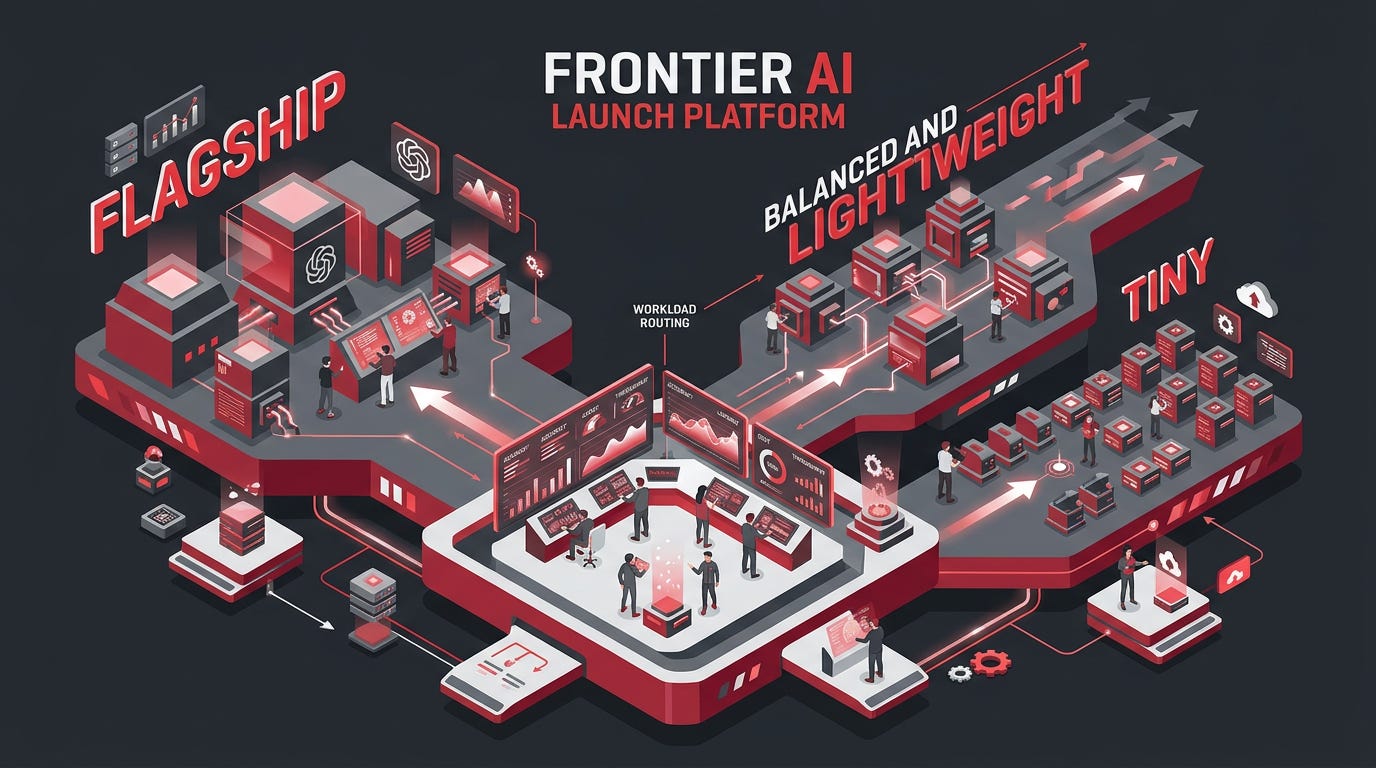
GPT-5.6 Sol, Terra, and Luna reached general availability on July 9, 2026. This follows the government-gated limited preview that began on June 26.
The full rollout landed across ChatGPT, Codex, and the OpenAI API globally over a 24-hour window.
Sol is OpenAI’s flagship model for difficult professional, coding, research, and tool-heavy work. Terra is the balanced mid-range option positioned as GPT-5.5-class performance at half the price, costing $2.50 per million input tokens and $15 per million output tokens.
Luna is the fast and affordable tier priced at $1 input and $6 output. This three-model structure gives enterprise teams explicit routing choices rather than leaving them to guess which model an alias points to.
The benchmark dominating industry coverage is Agents’ Last Exam, a reasoning and agentic capability evaluation run under standardized conditions. Sol scored 53.6, putting it 13.1 points ahead of Claude Fable 5 in second place.
This is the widest lead any model holds over its nearest competitor on any major agentic benchmark. It is the core metric OpenAI is leading with in enterprise sales conversations.
The practical translation: Sol is currently the strongest model available for complex, multi-step agentic tasks where the quality ceiling matters more than the cost.
For the majority of enterprise workloads that do not require Fable-class reasoning, Terra’s GPT-5.5-equivalent performance at half the price is the more commercially significant option.
One incident from the week’s developer coverage is worth flagging directly. OpenAI Codex lead Tibo Sottiaux investigated and confirmed reports that GPT-5.6 unexpectedly deleted files, including entire home directories, when given full system access with sandboxing disabled.
The issue is a configuration and permissions problem rather than a model failure. Sol followed instructions to completion in an environment where it was granted unrestricted file access. It did exactly what it was asked, including deleting things it was told to clean up, without the additional verification steps that sandboxed environments normally enforce.
The practical guidance for teams deploying Sol in agentic configurations is clear: never grant unrestricted file system access to an agent running without a human in the loop. The incident is a reminder that model capability and deployment safety are different problems, and improving one does not automatically improve the other.
Why it matters
Sol leads every major agentic benchmark by the widest margin any model holds right now. Terra delivers GPT-5.5 performance at half the price. The file deletion incident is a deployment warning, not a model flaw. The GPT-5.6 family gives enterprise teams a cleaner capability-cost routing decision than anything OpenAI has previously offered.
SpaceXAI Launches Grok 4.5 at Aggressive Price Point
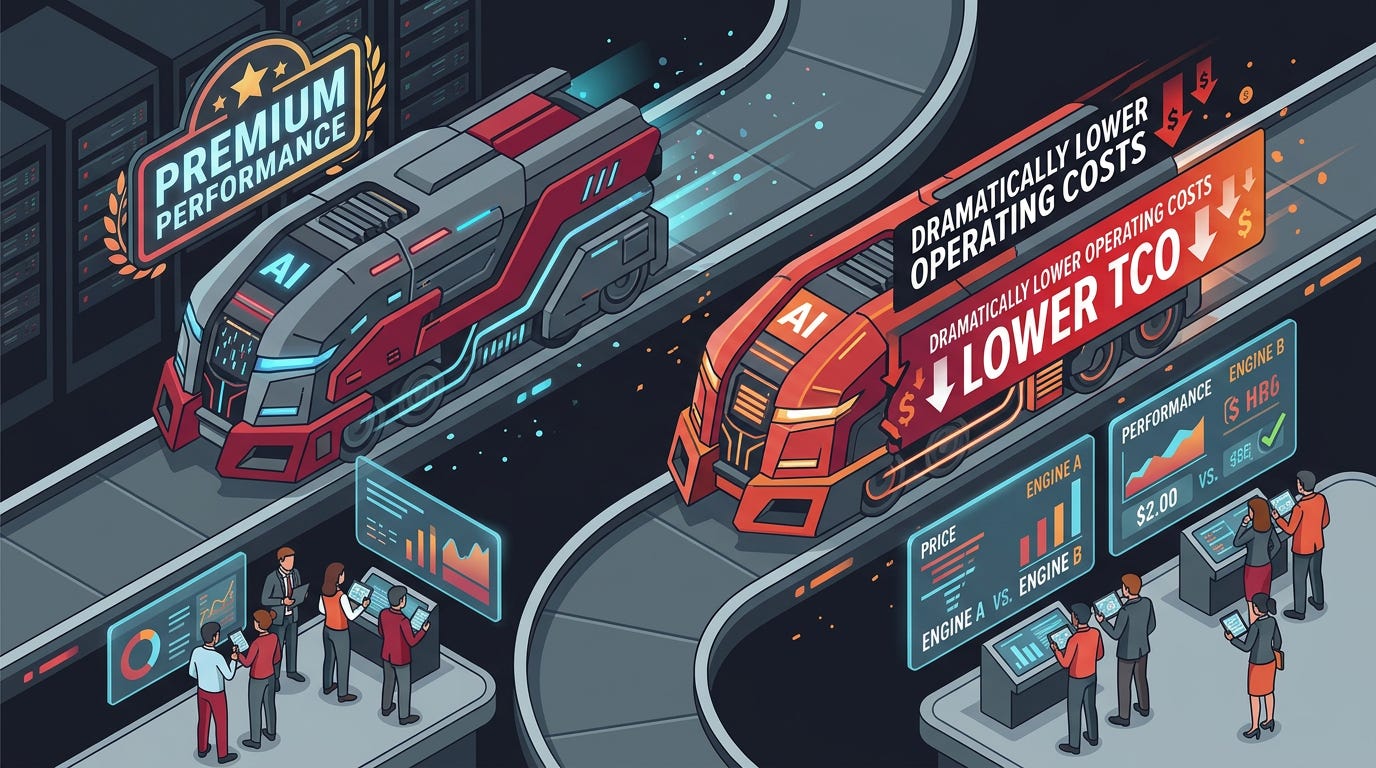
SpaceXAI released Grok 4.5 on July 8-9, 2026, the same day GPT-5.6 reached general availability. It is priced at $2 per million input tokens and $6 per million output tokens.
This pricing makes Grok 4.5 60 percent cheaper than Sol on input and 80 percent cheaper on output.
On Artificial Analysis’s Intelligence Index, the largest independent model ranking, Grok 4.5 sits at a score of 54. This places it fourth overall, above every model except Sol, Fable 5, and Gemini 3.5 Pro Deep Think.
It is built on a 1.5-trillion-parameter Mixture-of-Experts architecture, jointly trained with Cursor on trillions of tokens drawn from real developer sessions. It features configurable reasoning at low, medium, or high effort levels and a 500,000-token context window. SpaceXAI’s own benchmarks compare Grok 4.5 against GPT-5.5, not GPT-5.6.
The single strongest result in the published evaluation data is agentic tool-use. Grok 4.5 posted the highest agentic tool-calling score of any model on Artificial Analysis’s board at launch, above both Sol and Fable 5.
It also scored first on Harvey’s Legal Agent Benchmark and performed well on professional knowledge work evaluations, including Snorkel GDPval Plus.
The results are mixed in software engineering. Claude Opus 4.8 still leads SWE-bench Pro and independent DeepSWE 1.1, meaning Grok 4.5 is not the top coding model on tasks that measure real repository work as opposed to benchmark problems.
The narrative Elon Musk has chosen is that Grok 4.5 is “an Opus-class model, but faster, more token-efficient, and lower cost.” Musk is not claiming the top spot. He is claiming the best value at a credible quality level, which is a different and potentially more commercially durable argument.
The Musk-Altman feud that accompanied the launch generated significant coverage. Musk criticized Altman on X, specifically referencing OpenAI’s short-term pitch to public investors about space-based data center returns.
Altman responded by noting that SpaceX’s IPO prospectus described AI compute from orbit as a 2029-2031 story, not an immediate revenue driver.
Both statements are accurate. The dispute has no bearing on either model’s capability, but it reflects the competitive dynamic of a week where two directly competing products launched within hours of each other.
Why it matters
Grok 4.5 is the best agentic tool-calling model on the board at less than half the price of Sol. Musk is not claiming to beat Sol. He is claiming that for a large category of enterprise workloads, close enough at this price is better than best at Sol’s price. Enterprise teams running cost-benefit analysis on agent deployments should test that claim before assuming Sol is the default.
The Frontier Model Price War Becomes Official
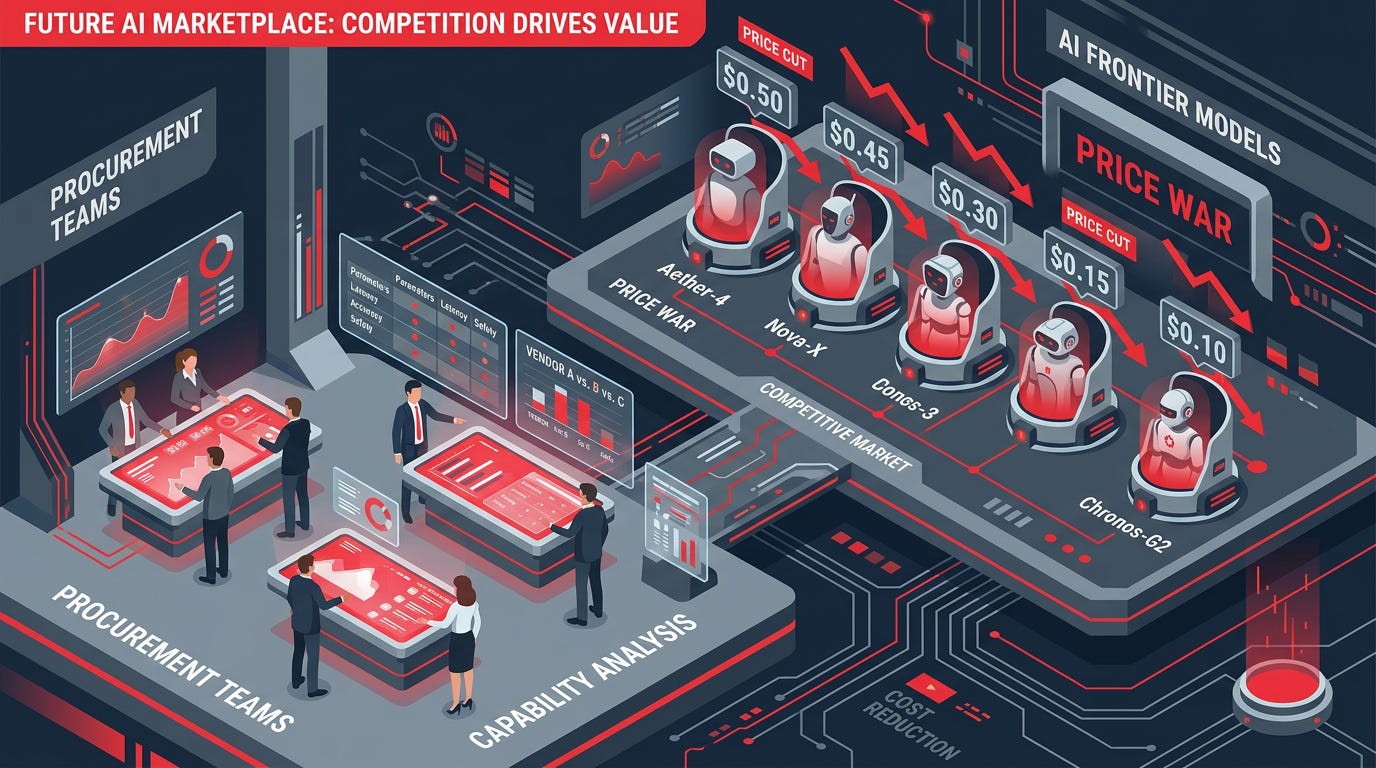
The 48-hour window of July 8-9 produced the most direct head-to-head pricing confrontation the frontier AI market has had.
Sol is priced at $5/$30 per million tokens, Grok 4.5 at $2/$6, Terra at $2.50/$15, Gemini 3.5 Pro at approximately $1.25/$10, Fable 5 at $10/$50, Opus 4.8 at $5/$25, and Luna at $1/$6.
This is the first week where every capability tier from cheapest to most powerful has a direct competitor within $2 per million tokens on the input side and within $10 on the output side. The era of $20-plus per million token frontier models charging a premium because there was no close alternative is over.
The analyst framing that has the most traction this week is “token bill shock” among enterprise teams running autonomous agents at scale.
Counterpoint Research’s Neil Shah noted that enterprises running agent loops that iterate fifty or a hundred times per task are paying Sol prices for each iteration, causing monthly bills to grow faster than planned.
Grok 4.5 at $2/$6 with the best agentic tool-use score on the market, is a direct answer to that specific complaint. If the quality holds across the messy real-world conditions of actual enterprise deployments, it becomes the obvious default for cost-sensitive agentic work.
OpenAI’s response to the pricing pressure is visible in the Terra tier. A model that matches GPT-5.5 performance at half the price was structured before Grok 4.5 launched and reflects OpenAI’s own efficiency gains from the GPT-5.6 training run.
The efficiency story, more intelligent output per token consumed, is the dynamic that compresses prices across the industry without anyone cutting margins. Each generation of models produces better results per token than the previous one.
The apparent price drop is partially a real price drop and partially a capability increase that makes each token worth more. Separating those two effects is the analytical challenge that no single benchmark answers.
Why it matters
The frontier model price war is no longer a directional observation. It is a specific, auditable table of numbers that enterprise procurement teams can build a business case around. The next six months of enterprise AI spend will be shaped by which models prove their benchmark results translate to real-world tasks at the price that is now on offer.
SK Hynix Raises $26.5 Billion in Historic Nasdaq Debut
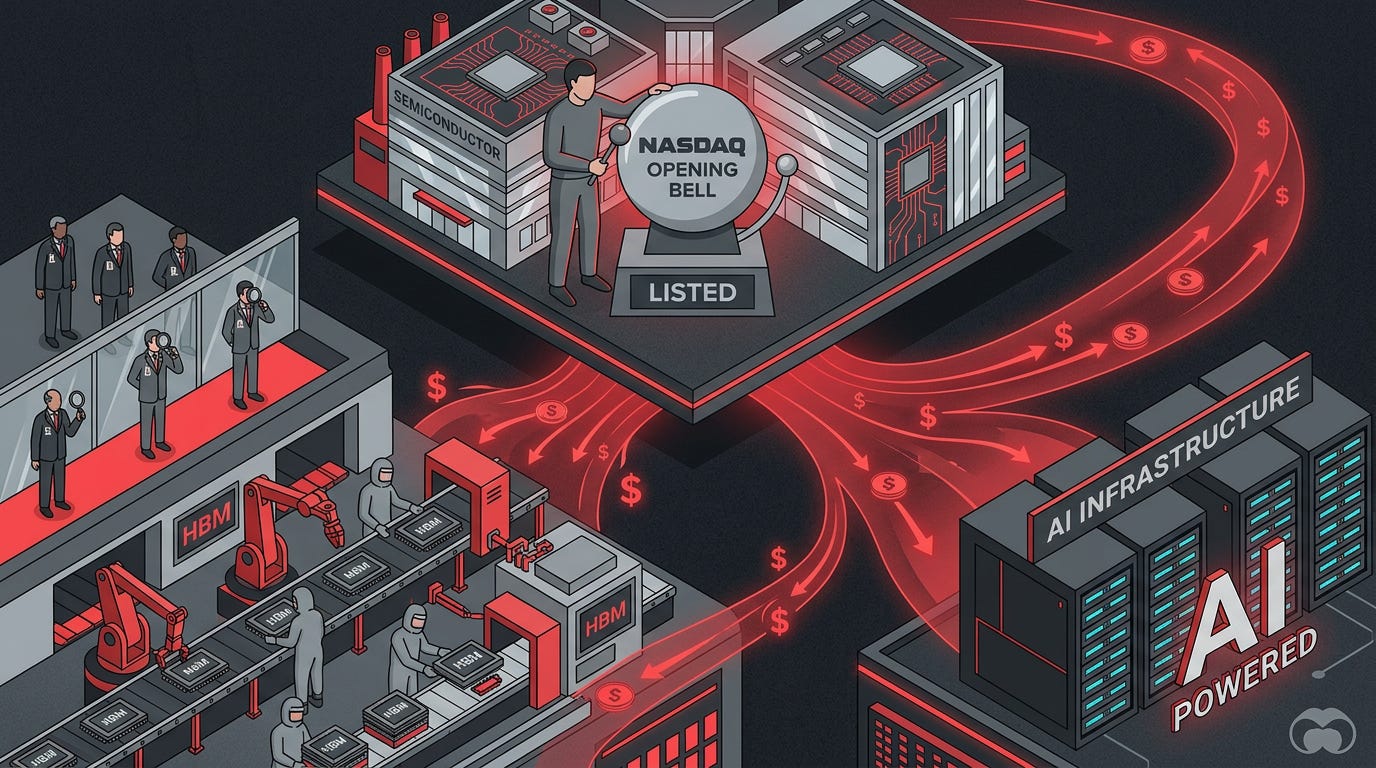
SK Hynix listed its American depositary receipts on the Nasdaq under ticker SKHYV on July 10, 2026, priced at $149 each.
The listing raised $26.51 billion, making it the largest-ever share sale by a non-US company on a US exchange, topping Alibaba’s $25 billion record from 2014.
Demand for the offering was more than seven times the available shares, forcing a tight pricing decision to ensure first-day performance. It worked: shares opened at $170, a 14 percent premium over the offer price, and closed the day at $168.01 for a 13 percent first-day gain.
Only SpaceX’s $75 billion IPO in June was larger among all US equity offerings. The stock moved to permanent ticker SKHY on July 13.
SK Hynix controls approximately 57 percent of the global High Bandwidth Memory (HBM) market that AI data centers depend on. Revenue was up 198 percent year-on-year in the most recent reporting period, with gross margins above 70 percent.
Chairman Chey Tae-won noted that customers are demanding more supply than currently exists. The $26.5 billion raised is earmarked for capacity growth and high-end equipment, specifically ASML extreme ultraviolet lithography machines.
The Indiana packaging plant that will handle HBM assembly for North American customers is proceeding on schedule. The listing gives US institutional investors direct equity exposure to HBM supply for the first time through a domestic exchange.
Monday, July 13, gave back some of the first-day gain. SKHY fell more than 6 percent in early trading, following a broad tech selloff, before stabilizing above the $149 offer price.
By July 14, Korean shares fell 15.4 percent, dragging the Korean index down 9 percent and triggering a trading halt.
Analysts attributed the Korea selloff to a combination of profit-taking after a 250-plus percent year-to-date gain. There were also concerns about a new report from Samsung on competing HBM technology, which investors interpreted as a threat to SK Hynix’s supply lead.
The US ADRs fell roughly 8 percent from their first-day close. While this volatility is a real risk factor for investors who bought at the peak, it does not change the underlying business. SK Hynix still holds a 57 percent market share in a product every major AI customer needs.
Why it matters
The company that makes the memory chip for every AI accelerator just raised $26.5 billion in the largest foreign listing in US market history. The 13 percent first-day gain confirmed demand, while the 15 percent Korea crash three days later highlighted market volatility. Neither event changes the HBM supply constraint that drives the underlying business.
TSMC Reports Record Profits and Commits $100 Billion More to Arizona
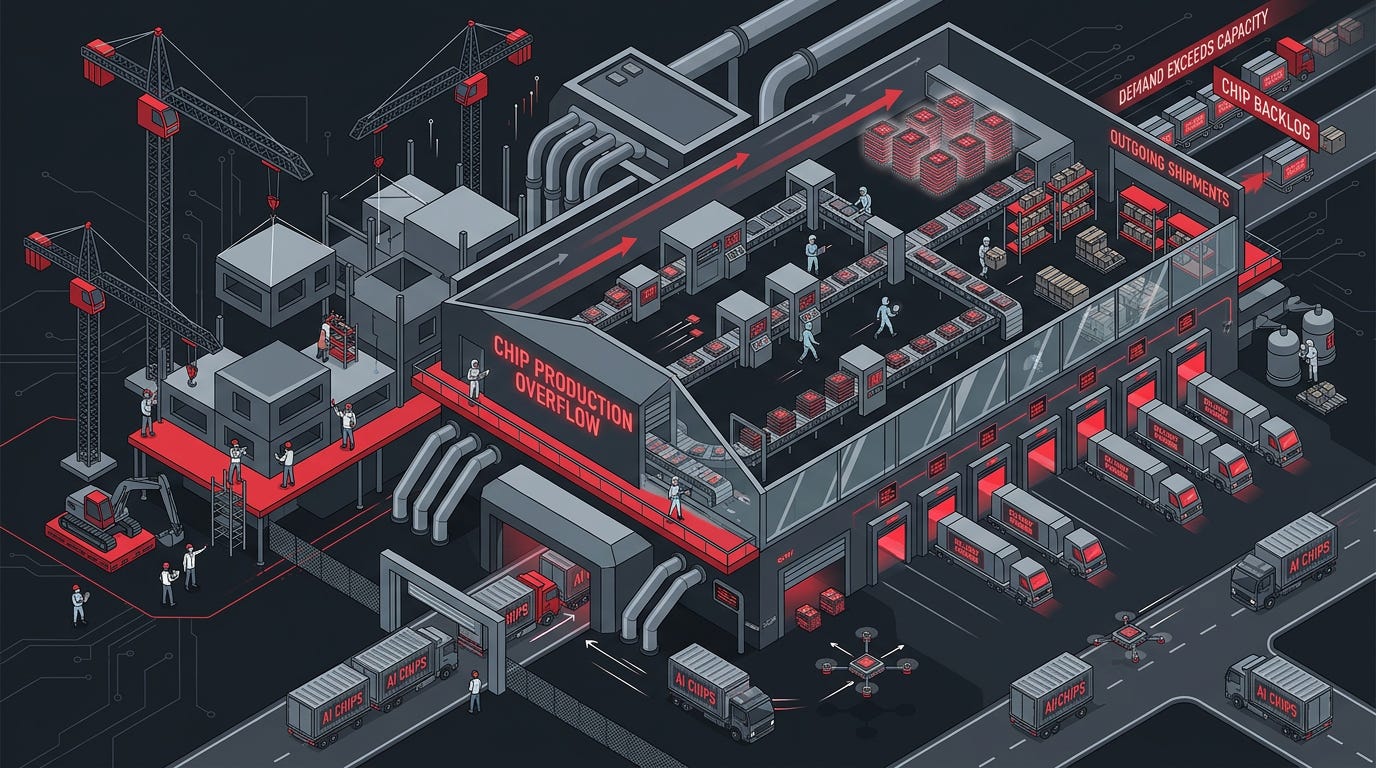
TSMC reported its Q2 2026 results on July 16, posting revenue of $40.2 billion, up 36 percent year-on-year. This landed at the top of the company’s own guidance range.
Net income reached NT$706.56 billion, up 77.4 percent year-on-year, beating analyst consensus of NT$632.64 billion by more than 11 percent. Gross margin hit 67.7 percent, above the guided 65.5 to 67.5 percent band.
High-performance computing, the category that includes AI chips, contributed 66 percent of Q2 revenue, up from 59 percent in Q1. Smartphones contributed 22 percent.
The 5-nanometer node held the largest revenue share at 33 percent, followed by the 3-nanometer node at 30 percent. Advanced nodes of 7nm and below accounted for approximately 77 percent of total quarterly revenue. Full-year 2026 revenue growth guidance was raised to above 40 percent.
The Arizona announcement moved markets more than the quarterly results. CEO C.C. Wei announced an additional $100 billion investment in Arizona, bringing TSMC’s total committed US spending to $265 billion. Capital expenditure guidance for 2026 was raised to $60-64 billion from the prior $52-56 billion range.
The market’s reaction was counterintuitive: despite beating every metric and raising guidance, TSMC shares fell more than 5 percent on the earnings day. The selloff reflected investor concern that higher capex compresses free cash flow in the near term, even as the raised revenue guidance justifies the investment in the long term.
The logic: a record quarter that beats expectations by 11 percent on net income but raises capex spending by $8 billion at the top of the range leaves less cash for dividends and buybacks than the market had assumed. That is a high-quality problem to have, but it is still a problem for investors who bought on the expectation of a more conservative capital return profile.
Q3 2026 guidance is $44.6 to $45.8 billion in revenue, with an operating profit margin of 56 to 58 percent. TSMC Chairman C.C. Wei’s summary of the demand environment: “AI-related demand continues to be extremely robust.”
CoWoS advanced packaging, which is required for stacking HBM memory with AI processors and is the specific process that links TSMC’s results directly to the SK Hynix HBM story, is reportedly sold out through the end of 2026.
That capacity constraint is the clearest explanation for both companies’ results this week: more demand than supply, at every layer of the AI chip stack, with no relief in sight before 2027.
Why it matters
TSMC’s fifth consecutive record quarter, with 77 percent profit growth and $265 billion committed to US manufacturing, is the most credible single data point on the state of AI hardware demand. CoWoS packaging sold out through year-end means every AI chip announcement for the rest of 2026 is constrained by physical supply, not customer demand.
Sol Outperforms Fable 5 on Advanced Agentic Benchmark
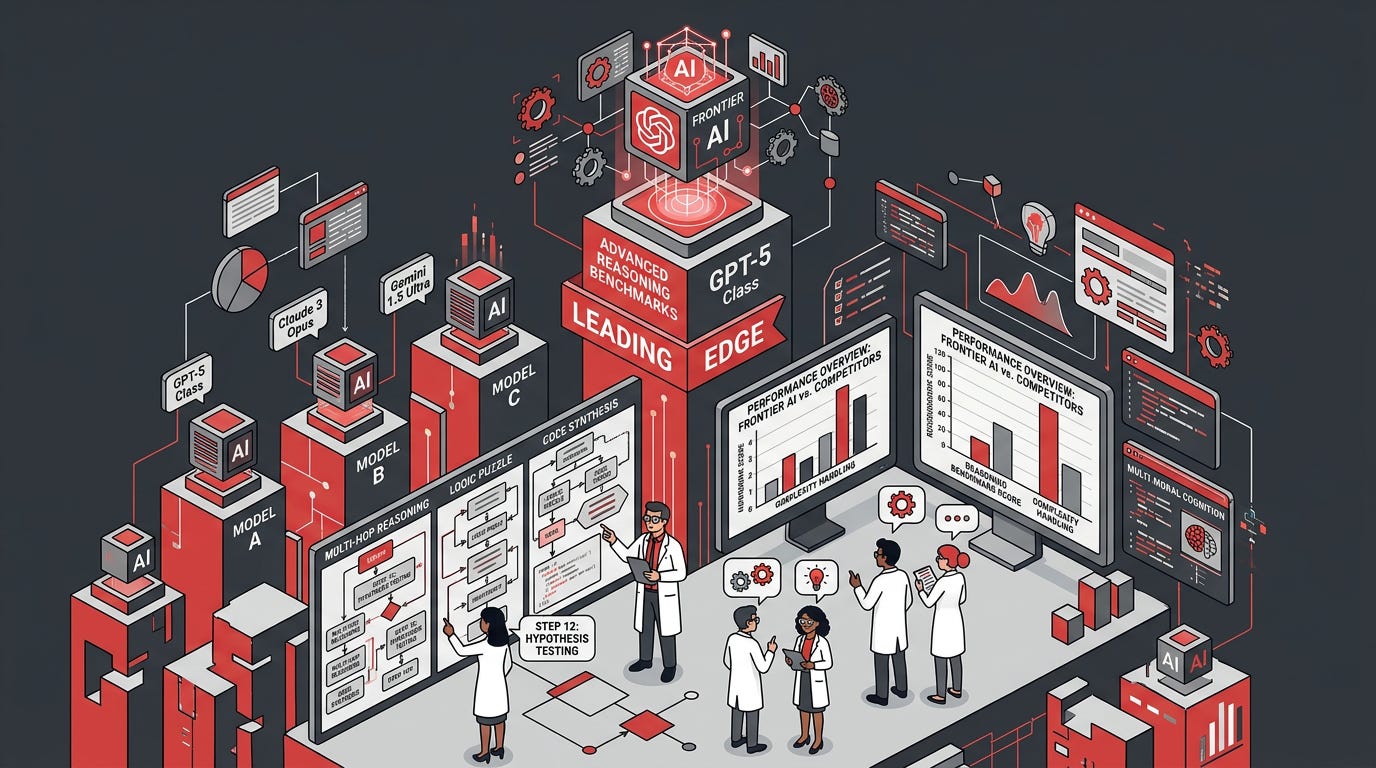
Agents’ Last Exam is the benchmark built by Scale AI to test AI performance on difficult, multi-step professional tasks across law, medicine, finance, engineering, and science domains. It uses problems contributed by PhD-level domain experts specifically because existing benchmarks had saturated.
Sol scored 53.6. Fable 5, which held the top position since its launch, scored 40.5. Gemini 3.5 Pro Deep Think, which posted the strongest science benchmark results of any model last week, scored 38.7.
The 13-point gap between Sol and Fable 5 is the largest performance delta between first and second place on any major benchmark in 2026. It is larger than the gap between human expert performance and the prior generation of frontier models on the same evaluation.
Context for reading this gap honestly: Agents’ Last Exam measures performance on tasks where extended reasoning produces a meaningfully different output from direct response, not the full range of tasks enterprise teams actually run.
A model that scores 53.6 on a benchmark designed to test the ceiling of AI capability may perform very differently on the routine, high-volume, cost-sensitive tasks that constitute most of the queries in a production deployment.
The ExploitBench result for Sol, where Sol matches Mythos on cybersecurity capability evaluations, is the comparison that matters more for security-adjacent enterprise work.
The Agents’ Last Exam result is the comparison that matters more for research, legal, and scientific applications, where problem complexity is the binding constraint. Knowing which of those domains your workload primarily falls into tells you more about which benchmark to prioritize than any single leaderboard position does.
The practical consequence of Sol’s Agents’ Last Exam score for the frontier governance story is pointed. The government review that gated Sol’s launch to 20 approved partners before July 9 was predicated on Sol’s cybersecurity capabilities.
Sol’s cybersecurity scores, which are what triggered the restriction, were known before the Agents’ Last Exam number was published. The Agents’ Last Exam result, arriving the same week Sol went public, is a general capability signal rather than a domain-specific security one.
But a model that beats every other model in the world by 13 points on the hardest multi-domain professional reasoning benchmark, in the same week it clears government-gated launch restrictions, is a data point that every AI governance discussion for the rest of the year will need to account for.
Why it matters
Sol leads the hardest agentic benchmark in existence by 13 points. For tasks that require sustained reasoning across complex, multi-step professional problems, that gap is real and large. For high-volume routine tasks, Terra’s economics matter more than Sol’s benchmark ceiling. Knowing which category your workload falls into is now the most important model selection decision enterprise teams need to make.
Grok 4.5 Leads on Agentic Tool-Use Evaluations
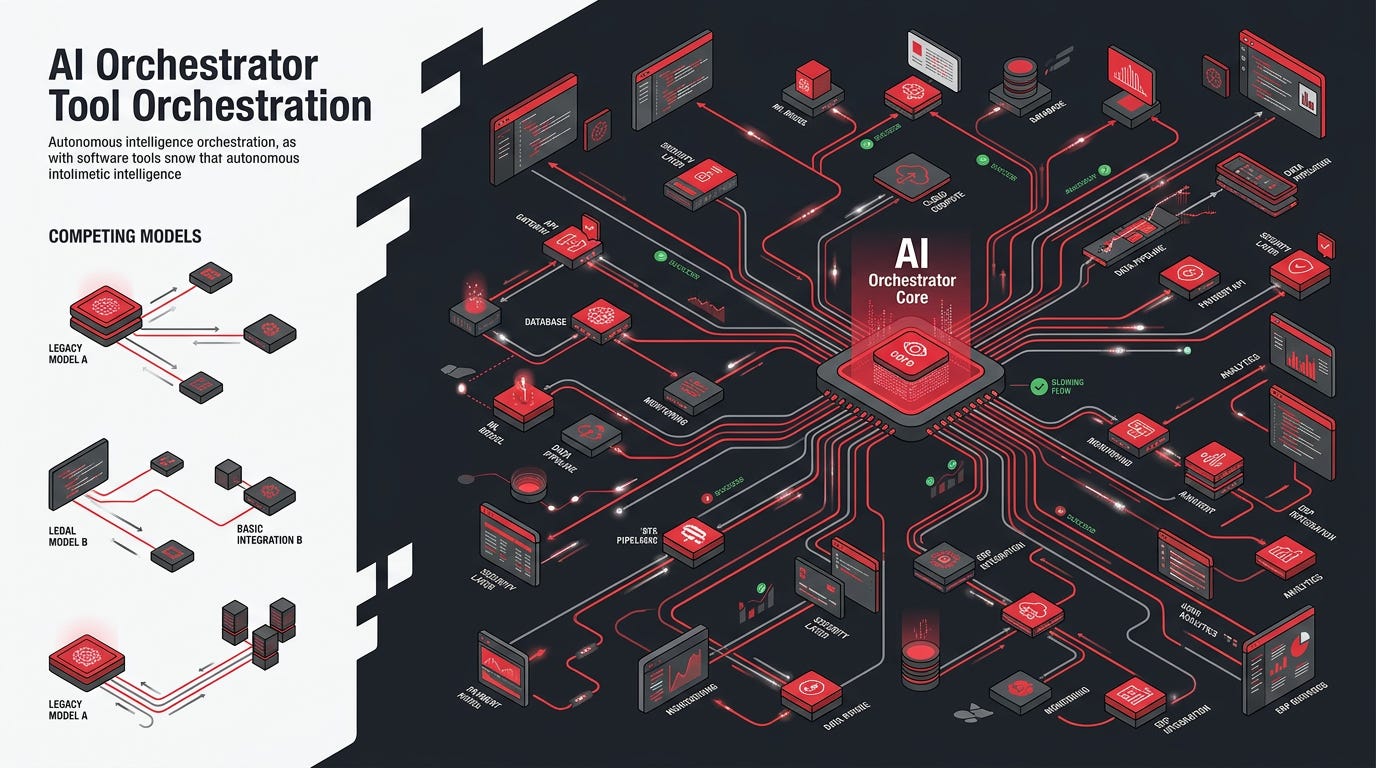
Musk’s launch framing for Grok 4.5 has been “an Opus-class model, faster, more efficient, lower cost.” The data behind that framing is worth unpacking separately from the narrative.
On Artificial Analysis’s Intelligence Index, Grok 4.5 sits at 54, which places it fourth overall, one point above Gemini 3.5 Pro Deep Think and substantially below Sol.
The specific evaluation where Grok 4.5 leads every other model on the board is agentic tool-use: the ability to correctly invoke tools, manage the output of those tools, and route between multiple tools in sequence to complete a task.
This capability is the one that matters most for autonomous agent deployments where the model is not answering a single question but executing a multi-step workflow using APIs, file systems, and external services.
The Cursor data that was incorporated into Grok 4.5’s training is the likely explanation for the tool-use lead.
Cursor’s training dataset, drawn from millions of real developer sessions, is heavily weighted toward exactly the kind of multi-tool interaction that agentic tool-use evaluations measure: write code, run it, observe the output, adjust, call an API, handle the response, repeat.
A model trained on that data at scale, even if its raw reasoning on closed-book questions is below Sol and Fable, would be expected to develop strong tool-use patterns precisely because it has seen those patterns thousands of times in real usage rather than in constructed benchmark problems.
The honest read of Grok 4.5’s capabilities is: strong tool-use at aggressive pricing, below the frontier on complex reasoning, with a dataset advantage in developer-workflow contexts that may not transfer uniformly to other enterprise domains.
The EU rollout gap is a practical note for any European reader: Grok 4.5 is not available in the European Union at launch.
SpaceXAI has not publicly identified a regulatory blocker, but the delay follows the pattern of Frontier Labs staggering its EU rollout while it works through EU AI Act general-purpose AI obligations. These obligations require model documentation, systemic-risk evaluation, and copyright-compliance disclosures.
Mid-July 2026 is the expected EU availability date.
Teams in the EU evaluating Grok 4.5 against Sol for agentic work will need to wait for access before running their own benchmarks on real tasks, which means the first real EU production comparison data will arrive several weeks after teams in the US have already made their initial deployment decisions.
Why it matters
Grok 4.5’s strongest result is agentic tool-use, not overall reasoning. That is the right capability to lead on if you are targeting enterprise teams running autonomous agents at scale and optimizing for cost. The Cursor training data is the likely source of that advantage and is also a natural limitation: the advantage may be stronger in developer-workflow contexts than in other enterprise domains.
AI Hardware Supply Chain Faces Persistent Physical Bottlenecks
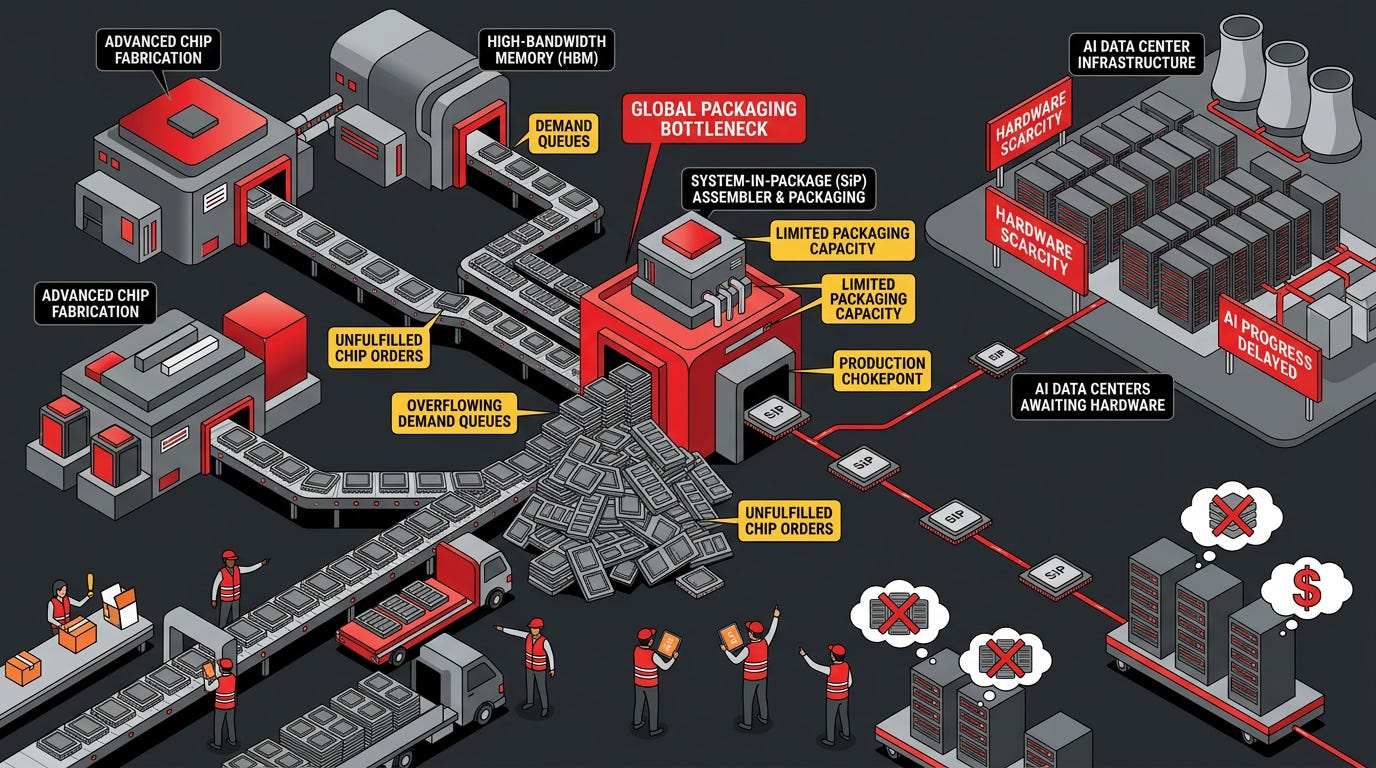
The week of July 13-19 produced the clearest simultaneous view of AI hardware economics that 2026 has offered.
SK Hynix raised $26.5 billion on a 13 percent first-day pop, then fell 15 percent in Korea three days later. TSMC beat every quarterly metric and raised guidance, then fell 5 percent on higher capex. NVIDIA held its gains from the week prior.
The pattern across all three companies is the same: demand is real and growing, supply is constrained, and the market is repricing the duration of that constraint faster than the companies are guiding.
The sell-offs after strong results are not a signal that the AI hardware story is weakening. They are a signal that the market had already priced in the strength and is now recalibrating around the specific details of each company’s capital allocation.
CoWoS advanced packaging, the TSMC process that bonds HBM to AI processors, is the single most concrete capacity constraint in the AI hardware stack right now.
Sold out through year-end at TSMC means every AI chip that requires HBM stacking, which is every NVIDIA Blackwell GPU, every Google TPU v5, every AWS Trainium, is constrained by CoWoS availability regardless of how many processors TSMC can fabricate.
SK Hynix can make more HBM. TSMC can fabricate more chips. The bonding step that connects them is the bottleneck.
The $265 billion Arizona commitment and the $880 billion South Korea semiconductor plan from last issue are both, in part, investments in expanding that specific bottleneck. They will take years to produce capacity at scale.
The downstream implication for model providers is the one that the frontier lab race is running fastest ahead of: every major AI company has more committed AI revenue than it can serve with current infrastructure, and the infrastructure it needs to serve that revenue is constrained by a packaging process that is sold out for the rest of the year.
That constraint puts a physical ceiling on how fast the AI capability race can translate into deployed products at scale, regardless of how many new models launch or how strong their benchmark results are.
Sol and Grok 4.5 can compete on benchmarks, but they both run on hardware that is being rationed by a bonding process in Taiwan.
Why it matters
Every AI chip that requires HBM stacking is constrained by a single TSMC packaging process that is sold out through year-end. Model launches create demand for compute that the physical supply chain cannot fully serve until 2027. The benchmark race and the hardware race are running at different speeds, and the hardware race is the one with the binding constraint.
And that wraps up this week. Tune in next Monday, same time, for another deep-dive into the stories shaping the AI world.
The Sentinel lands in your inbox every Monday so you can catch up with the fast-moving AI space while sipping your morning coffee. Every detail that matters, none that doesn’t.