

Another Monday, another post to keep you up to speed with the AI world.
Here's what happened in the global AI market this week.
Stanford put hard numbers on how fast AI is outgrowing the tools to measure it, and it's frightening. Anthropic shipped its most powerful and capable model yet. NVIDIA just bridged AI and quantum computing. And the legal world got its first real warning about what AI conversations in court actually mean.
Here's everything you need to know before Monday gets the best of you.
Stanford's 2026 AI Index Is Out, And The Numbers Are Hard To Ignore
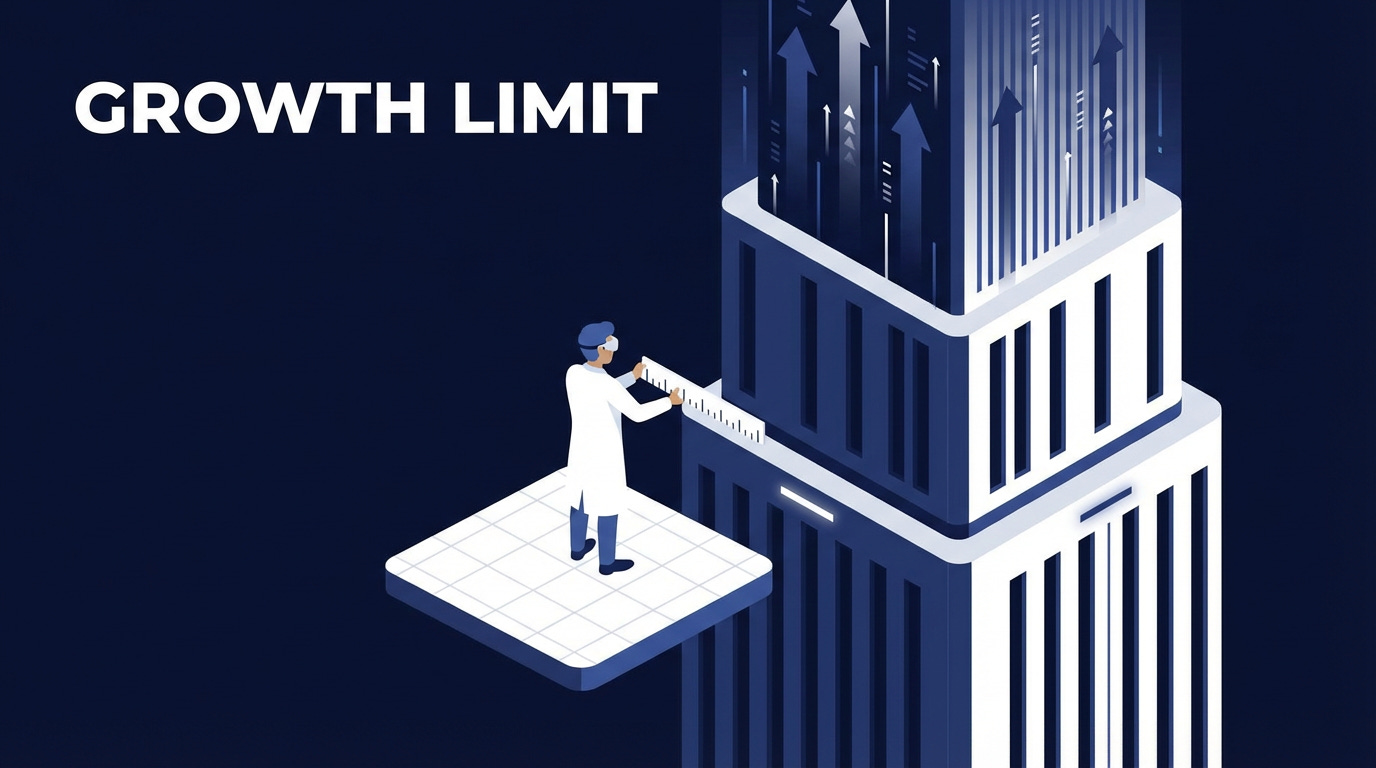
The most authoritative annual report on AI landed on April 13. The 2026 Stanford AI Index is 400 pages produced by an independent committee with no stake in any lab's outcome. And the picture it paints is one the industry has been quietly aware of but rarely said out loud: AI capabilities are racing forward, and the systems built to measure and govern them are getting left behind.
The capability numbers are striking. Coding benchmark performance on SWE-bench jumped from 60 to nearly 100 percent in a single year. AI models now outperform human baselines on PhD-level science and won gold at the International Mathematical Olympiad. Generative AI reached 53 percent of the global population faster than the personal computer or the internet ever did. And yet the same models that ace graduate-level physics can only read an analog clock correctly half the time. The "jagged frontier" is real, and the report documents it with more precision than anything else out there.
The geopolitical section is the one the industry will be quietly digesting for weeks. The US-China performance gap has essentially closed. Since early 2025 the two countries have been trading the top leaderboard spot back and forth, with the current lead sitting at just 2.7 percentage points. The US still dominates on investment, with $285.9 billion flowing into AI in 2025. But the number of AI researchers moving to the US has dropped 89 percent since 2017. And the most capable models today are among the least transparent, with major labs increasingly withholding the data that would let the outside world understand what they've actually built.
Why it matters
Stanford's Index is the closest thing to ground truth the field has that isn't produced by a lab with a financial interest in the result. This year's edition is the starkest documentation yet of the central tension in AI: capability is accelerating, and everything else is struggling to keep up.
Anthropic Releases Claude Opus 4.7, And It Has Raised The Bar By A Huge Margin
Anthropic released Claude Opus 4.7 on April 16, two months after Opus 4.6 and right on the rapid pace the company has kept across the 4.x generation. The headline improvements are in software engineering. A 13 percent gain on coding benchmarks, with users reporting the ability to hand off their hardest work, the kind that previously needed close supervision the whole way through, and actually trust the output.
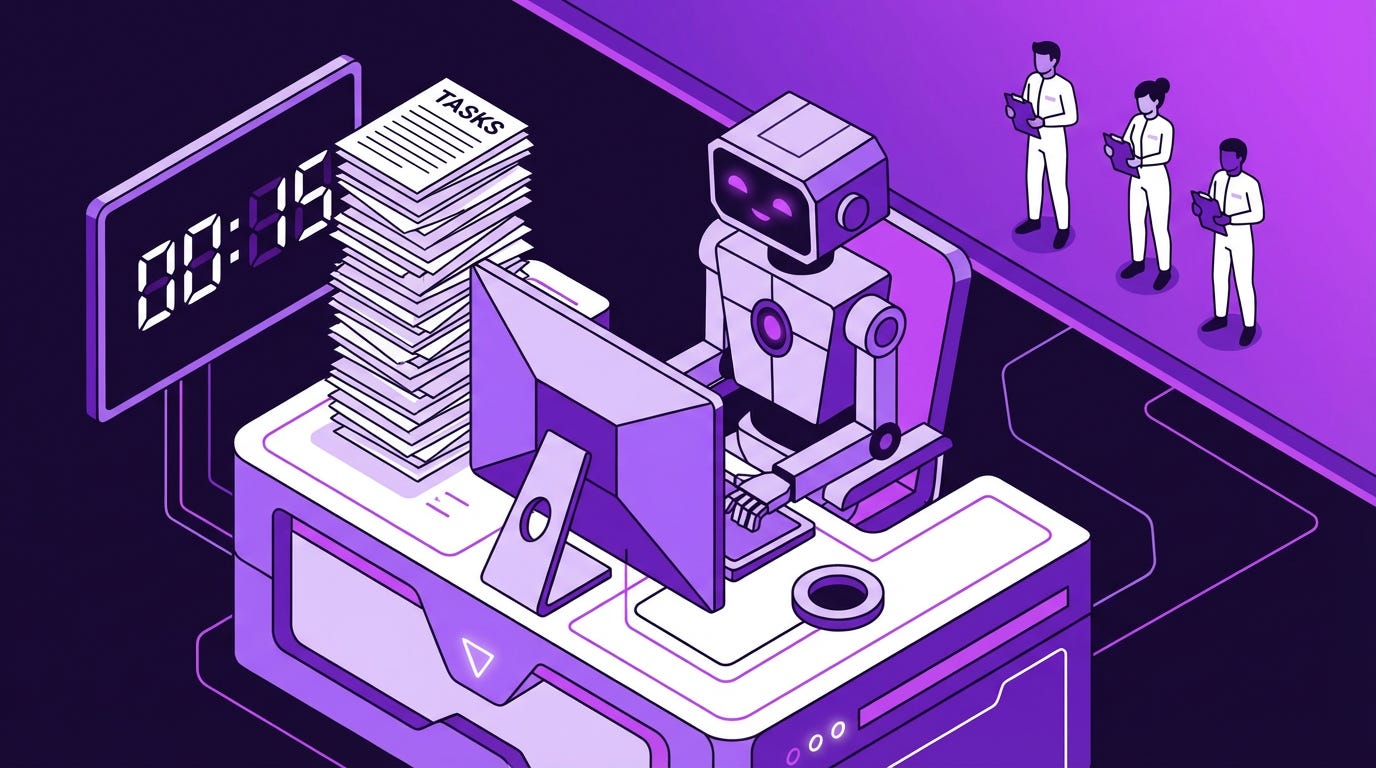
But the more interesting changes are the ones developers will notice in production. Task budgets are new: the model now receives a token estimate for a full agentic loop and uses a running countdown to prioritize work and wrap up gracefully as the budget runs out. That changes how you design production systems. Instead of guessing when to cut a run short, you set a resource boundary and the model respects it. There's also a new high effort level and an /ultrareview command in Claude Code for when quality can't be compromised. Image resolution increased 3x, up to 3.75 megapixels. Pricing stayed the same at $5/$25 per million tokens.
The release also carries something quieter but significant. The cybersecurity safeguards in Opus 4.7 were directly informed by the Mythos Preview research, the same model that found thousands of zero-days and was deemed too dangerous to release publicly. Anthropic is threading the safety lessons from its most capable restricted model into the one you can actually use. Opus 4.7 is now live across Claude.ai, the API, Amazon Bedrock, and GitHub Copilot, where it replaces Opus 4.5 and 4.6 in the Copilot Pro+ model picker.
Why it matters
Task budgets alone change how reliable agentic systems get built. This isn't just a capability upgrade. It's a structural change in how AI agents behave in production, and that's the kind of update that compounds quietly across thousands of products built on Claude.
NVIDIA Launches Ising: The First AI Models Built Specifically For Quantum Computing
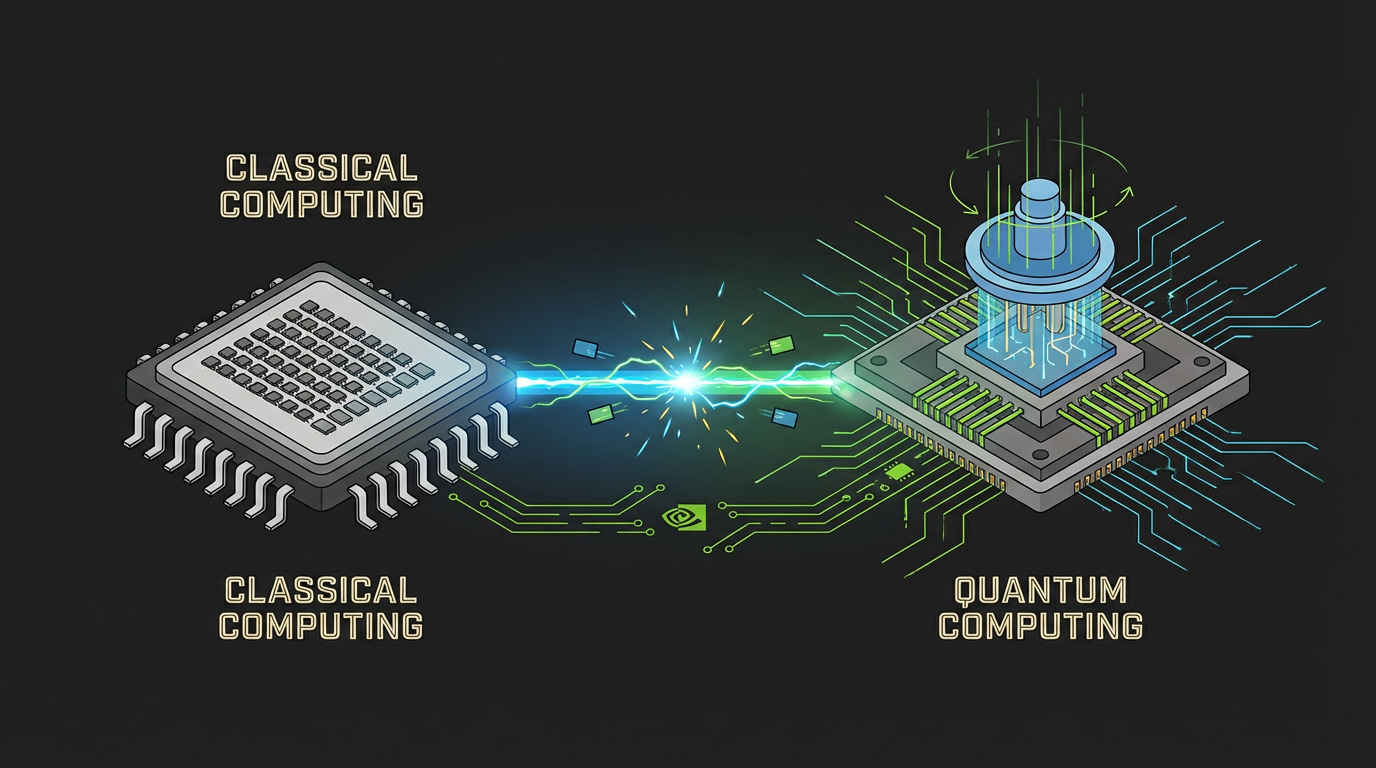
On April 14, NVIDIA announced Ising, the world's first open-source family of AI models designed specifically for quantum computing. The timing wasn't accidental. April 14th is World Quantum Day, and NVIDIA chose it to make a statement. The market heard it. Quantum computing stocks surged across the board, with IonQ up over 20 percent on the day.
The problem Ising is solving is one of the core reasons quantum computers have remained more theoretical than practical. Quantum processors need constant calibration to stay operational, tuning for hardware imperfections that shift over time, and real-time error correction, which means processing terabytes of qubit measurement data thousands of times every second. Both of these tasks have historically been slow, human-guided, and unable to scale. Ising's Calibration model automates the tuning using an agentic workflow, cutting setup time from days to hours. Ising Decoding handles the error correction, running 2.5x faster and 3x more accurate than existing approaches.
The models are open-source under Apache 2.0, pre-trained and ready to fine-tune, and already being used by Harvard, Fermilab, IQM Quantum Computers, Lawrence Berkeley National Laboratory, and the UK National Physical Laboratory. NVIDIA is positioning its GPUs as the classical computation layer that makes quantum systems actually run. The bridge between AI and quantum computing just got a lot shorter.
Why it matters
Quantum computing's real bottleneck has never been qubit counts. It's been calibration and error correction. By solving those two problems with open-source AI models, NVIDIA just removed the biggest practical obstacle between where quantum is today and where it needs to be to run useful applications.
Snap Cuts 1,000 Jobs And Explicitly Points At AI. The Stock Went Up 7 Percent.
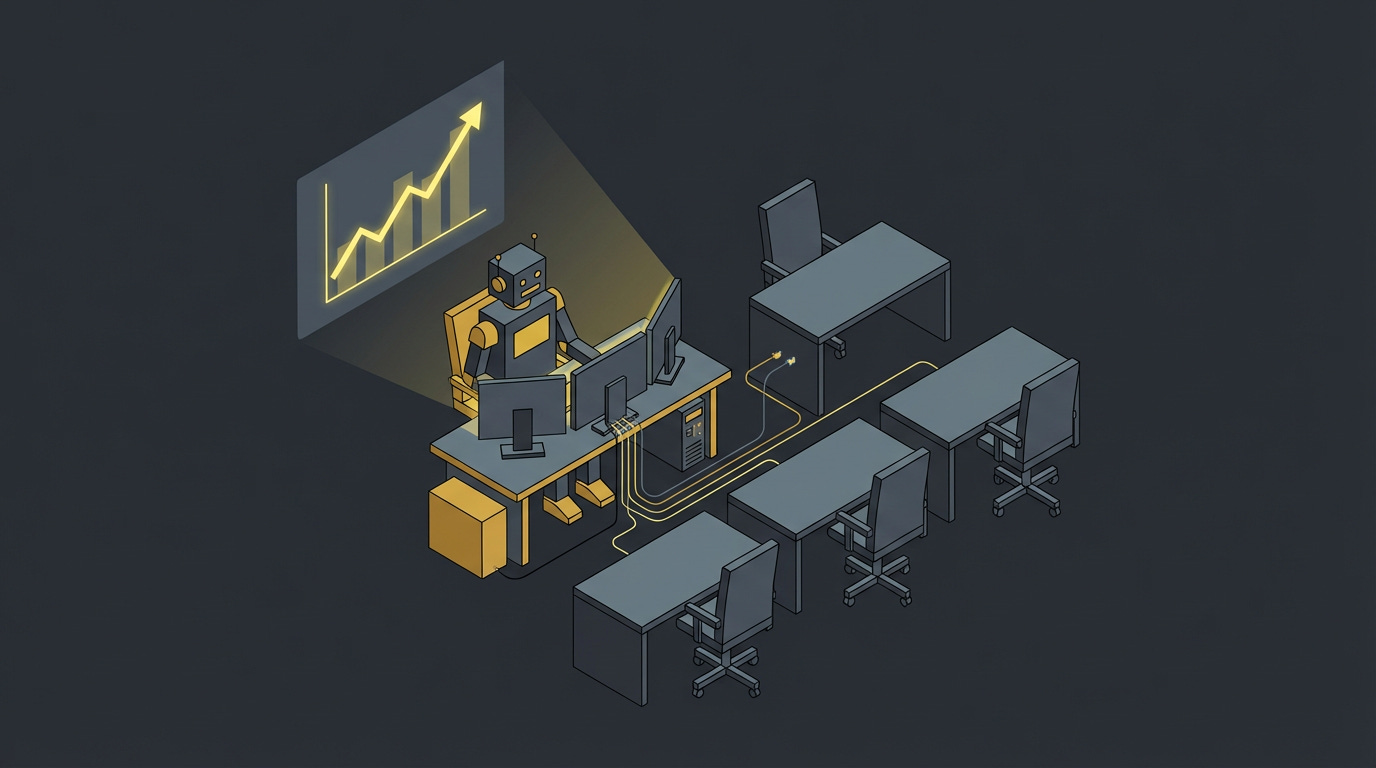
On April 15, Snap CEO Evan Spiegel announced the company would cut 16 percent of its global workforce, around 1,000 full-time employees, and close at least 300 open roles. The reasoning wasn't dressed up in corporate language. AI advancements have made it possible for smaller teams to do the same work, and the company needs to reach profitability. The cuts are expected to reduce Snap's annualized cost base by more than $500 million by the second half of 2026.
The framing Spiegel used matters. He described AI as enabling teams to "reduce repetitive work, increase velocity, and better support our community, partners, and advertisers." He pointed to specific examples: small squads using AI tools to drive progress across Snapchat+, ad platform performance, and infrastructure efficiency. This is one of the most direct statements any major tech CEO has made, not a vague restructuring announcement, but a specific named mechanism for why people are being let go.
The market's reaction is the part worth sitting with. Snap shares rose 7 percent in pre-market trading when the news hit. The company joins a growing list including Meta, Oracle, and Amazon that have gone through significant cuts in 2026. The signal being sent, that AI-driven efficiency translates directly to shareholder value, is one that every technology company is now watching. The template is being set in real time.
Why it matters
This is one of the first times a major public company has cited AI this explicitly in a large-scale layoff and been rewarded by markets for doing so. That combination sets a template and an incentive that will be hard for other companies to ignore.
Spotlight
Krater Just Made Your AI Work While You Sleep
Most AI tools stop working the moment you close the tab. Krater's two new features change that.
Additions is a library of add-ons with three types: Personas, Prompts, and Apps. Apps are the interesting one. One click connects Gmail, Google Calendar, Notion, Slack, GitHub, Linear, or hundreds more. Once connected, Krater can read from and act on those services directly inside any chat. "Summarize my unread Gmail." "Find conflicts in my calendar next week." "Create a Linear ticket from this conversation." Connected apps stay linked to the account and are pinned to the top of the library so they're always one tap away.
Tasks is the scheduler. Any prompt worth repeating, a morning briefing, a weekly competitor scan, a daily inbox summary, can be turned into a recurring task with a name, a model, a cadence, and delivery preferences. Results land in a dedicated chat, as a notification, or straight to email. The real unlock is that Tasks run through the same engine as regular chats, which means they inherit every connected app. That means the task isn't limited to what the model knows. It reaches into the user's actual tools. Set "Every weekday at 8am, check my Gmail for anything urgent, cross-reference my calendar, and tell me what to focus on" and Krater does exactly that, every morning, before the user sits down. Apps give Krater hands. Tasks give it a clock. Put them together and the AI starts working for you while you sleep.
Try it
Additions and Tasks are live on Krater now. If your AI has been waiting for you to show up, this flips that around.
Section 230 Has Protected Platforms For 30 Years. AI Is Now Finally Breaking It.
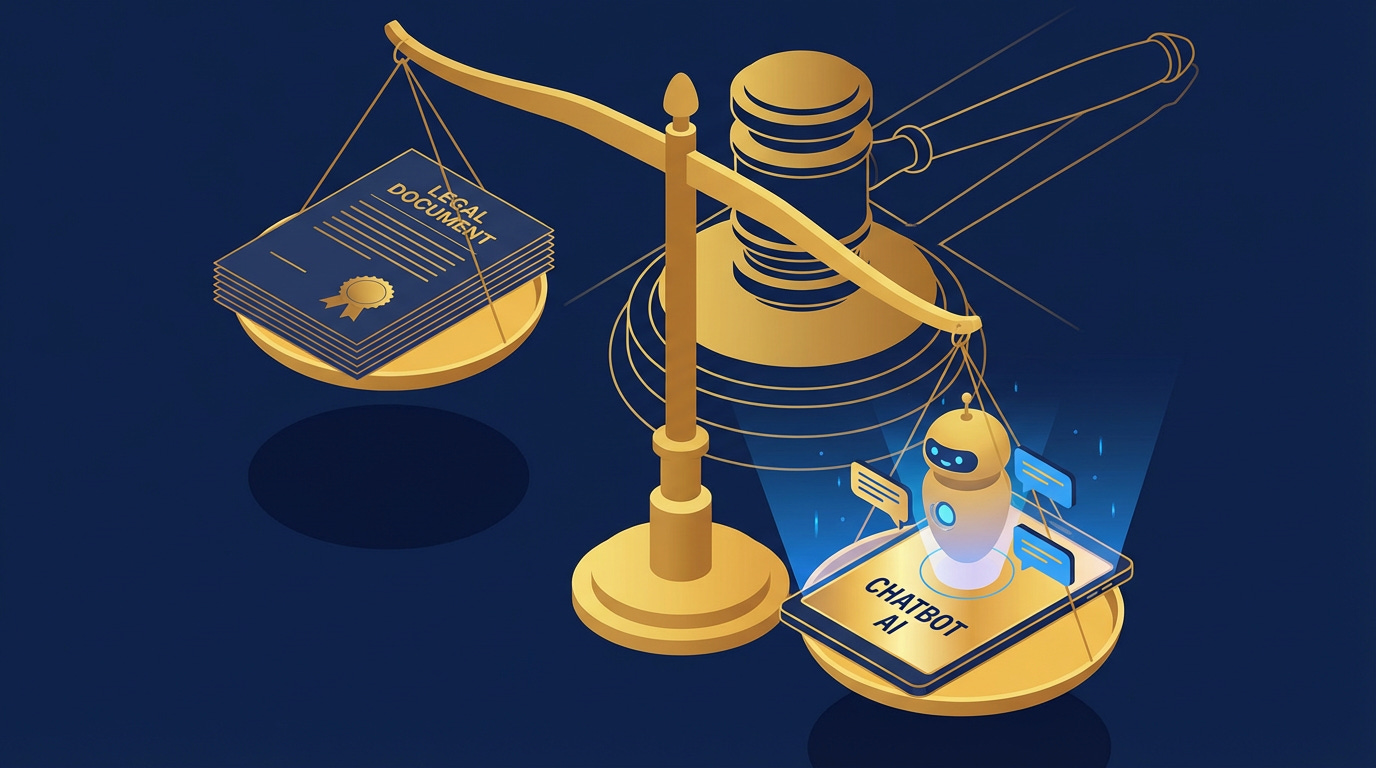
The legal shield that has protected internet platforms from liability for three decades is starting to crack. This week, multiple cases advanced at once. The Massachusetts Supreme Judicial Court ruled on April 13 that Meta must face a state lawsuit over Instagram's design, finding that Section 230 does not protect how a platform is built and optimized, only what third parties post on it. A California jury had awarded $6 million in a similar case just weeks earlier. The pattern is becoming clear: courts are finding ways around the law that was supposed to make all of this impossible.
The AI angle is where things get particularly interesting. In the Northern District of California, courts are actively examining whether AI-generated advertising content changes the liability picture entirely. When a platform's AI systems shape, optimize, and effectively co-author how an advertisement is assembled and presented, courts are starting to ask whether the platform becomes the "maker" of that content rather than a neutral host. If that argument lands, Section 230 is irrelevant. Securities fraud law has no such immunity, and the exposure for Meta, Google, Snap, and anyone else running AI-optimized ad systems would be enormous.
Both Meta and Google have announced appeals. But the direction is clear. Multiple legal theories are bypassing Section 230 simultaneously. Product design liability, AI content generation, child safety. And they're landing now rather than a decade ago because AI has made the platforms' active role in shaping content impossible to ignore. The legal foundation of how the internet has operated for 30 years is under genuine pressure for the first time.
Why it matters
Section 230 is the bedrock of how internet platforms operate without facing unlimited liability. If AI-generated and AI-optimized content removes that protection, the entire business model of ad-supported platforms changes. And OpenAI, which just announced its own ad business, is building directly into this legal uncertainty.
Your AI Conversations With Claude Can Be Used Against You In Court. Lawyers Are Now Warning Clients.
A February ruling by a federal judge in New York has been making the rounds in legal circles this week, and the wave of warnings it triggered reached the mainstream. The case is United States v. Heppner. The defendant used Anthropic's Claude to prepare reports about his legal exposure and share them with his attorneys. His lawyers argued those conversations should be protected. The judge disagreed. Claude is not a lawyer. Public AI platforms have no confidentiality obligation. By accepting the terms of service, he had given up any reasonable expectation of privacy. The 31 AI-generated documents, including an outline of his own defense strategy, are now available to prosecutors.
The ruling created a split at the federal level. A Michigan judge reached the opposite conclusion the same day about a plaintiff's ChatGPT conversations, reasoning that AI tools are "tools, not persons" and that privilege requires disclosure to an adversary to be waived. The disagreement between federal courts means this question is unresolved nationally and heading toward higher courts. In the meantime, more than a dozen major law firms have issued advisories. New York-based Sher Tremonte now includes explicit language in client contracts warning that sharing a lawyer's advice with a chatbot could eliminate privilege entirely. The guidance ranges from choosing platforms carefully to writing specific language in prompts to document that queries are being made at a lawyer's direction.
The practical reality is broader than criminal defense. Anyone who has used a public AI platform to think through a legal situation, draft documents connected to a dispute, or discuss anything that could end up in litigation needs to understand that those conversations may be discoverable. The case also clarifies a distinction that enterprise AI has been quietly building toward: closed, corporate systems with real confidentiality protections sit in a different legal position than public chatbots. That difference just became a lot more concrete.
Why it matters
This is the first ruling of its kind in the US, and it's now generating national legal guidance. The line between a helpful AI tool and a liability risk just got clearer, and it runs directly through the terms of service most people click through without reading.
GPT-6 Still Hasn't Launched. And The Silence Is Becoming A Bit Too Loud

Pre-training for GPT-6, internally codenamed "Spud", was completed on March 24 at OpenAI's Stargate data center in Abilene, Texas. Sam Altman confirmed this on X and described the launch as "a few weeks" away. Greg Brockman called it "two years of research" and "not an incremental improvement." A leaked rumor named April 14 as the date. That date passed without a word. No announcement, no blog post, no Altman tweet. As of Friday, the model has not shipped.
The context makes the silence notable. Every major competitor shipped a flagship model in April. Anthropic released Opus 4.7. Google's Gemini 3.1 Ultra is in public hands. Meta's Muse Spark has been out for two weeks. OpenAI is the last major lab still holding back, and the longer it takes, the more of the "frontier model" narrative gets eaten by everyone else. Prediction markets have trimmed the probability of a launch by April 30 from 78 percent to around 43 percent. The most credible explanation is safety evaluation, a model that Brockman described as "not an incremental improvement" requires more extensive red-teaming, and that takes time.
The leaked specification remains unverified. 40 percent performance improvement over GPT-5.4, a 2 million token context window, native multimodality. OpenAI has published no official model card, no pricing, nothing. What's confirmed is that the model exists, pre-training is complete, and the company is facing more competitive pressure to ship than at any previous release. A May or early June window is now the most reasonable estimate. The market is waiting, and the wait itself is now part of the story.
Why it matters
GPT-6 will be the most scrutinised AI release in history. Every week it doesn't ship while competitors have already moved, the expectations climb higher. How it lands relative to those expectations will define OpenAI's competitive position for the next model generation.
Anthropic's Claude Cowork Is Now Enterprise-Ready, And That Closes An Important Gap
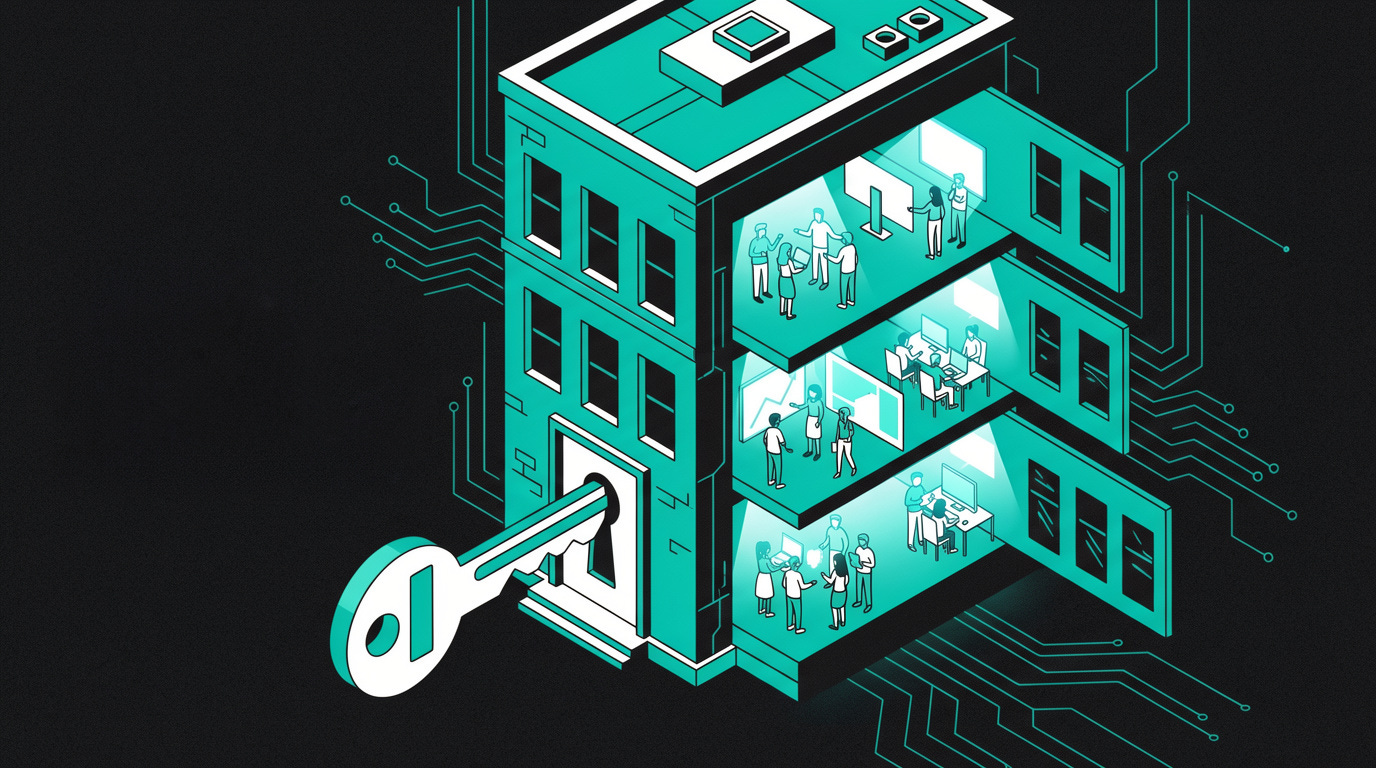
Claude Cowork became generally available on April 16, launching on macOS and Windows via the Claude Desktop app alongside the Opus 4.7 release. The timing was deliberate. A new capability and the infrastructure to deploy it at scale shipping on the same day is not a coincidence. Cowork now includes role-based access controls, group spend limits, detailed usage analytics, Claude Cowork in the Analytics API, and OpenTelemetry support for enterprise observability tooling.
The gap this is designed to close is one that rarely makes headlines but explains a lot about why enterprise AI adoption has been slower than the capability numbers would suggest. It's almost never the model. It's the governance layer. Enterprise procurement processes require the ability to see who is using what, set and enforce spending boundaries, manage access by role, and pull usage data into existing reporting infrastructure. Models that can't satisfy those requirements don't get purchased at scale, regardless of how impressive they are in a demo. Cowork's governance features are the answer to the question that procurement teams have been asking for the past two years.
The Analytics API integration is worth noting separately. Enterprise clients can now pull detailed engagement and adoption data programmatically, feeding AI usage into the same dashboards they use for every other enterprise tool. Combined with the Opus 4.7 upgrade, this week's releases position Anthropic to close deals that have been sitting in procurement for months. The distance between what Claude can do and what organisations are actually using it for has been narrowing. This week it narrowed significantly.
Why it matters
Enterprise AI adoption is bottlenecked on governance, not capability. Cowork GA removes the blockers that have been holding back large-scale deployments. The companies that move on this quickly will compound their AI advantage over the ones still waiting for procurement sign-off.
And that wraps up this week. Tune in next Monday, same time, for another deep-dive into the stories shaping the AI world.
The Sentinel lands in your inbox every Monday so you can catch up with the fast-moving AI space while sipping your morning coffee. Every detail that matters, none that doesn't.